
Continuity vs Experience: Why More Non-League Clubs Should Promote From Within
Non-League Management

When clubs start the dreaded/exciting search for a new manager, more often than not, it starts with searching for a direct improvement on what they had before. Change the playing style, find the best player developer, maybe an exciting CV from across the continent.
Take out the European theme, and the same is said down at the Non-League level. Who can we get? How many promotions have they won? What level have they managed at? Can we poach someone from higher divisions? Who’s on their CV?
Often, experience is viewed as the safest and best option, especially when the turnover of players is so high, but gradually continuity is being seen as just as valuable, and in some more recent cases, can prove a more effective option to judge a potential new manager on.
In the lower levels, where budgets are limited, relocating is much trickier, player poaching is more prevalent, club culture and direct personal relationships matter enormously. Promoting from within is still seen as a risk depending on experience, age and credentials, but it also can provide stability, trust, and long-term progress towards play styles and club goals that an external appointment may struggle to deliver.
The Case For Experience
There are arguments for both options, and distinct advantages for both. In the case of going with experience, clubs can cherry-pick someone who has faced the direct pressures of whatever goal the club is trying to achieve. Whether it would be title winners, promotion chasers, or relegation specialists.
External appointments can also be required when goals change quickly, the reputation of the club changes, or they can also refresh a dressing room when things have become stagnant. A new voice may raise standards, challenge comfortable underperforming stars and change tactical ideas that the existing setup favoured.
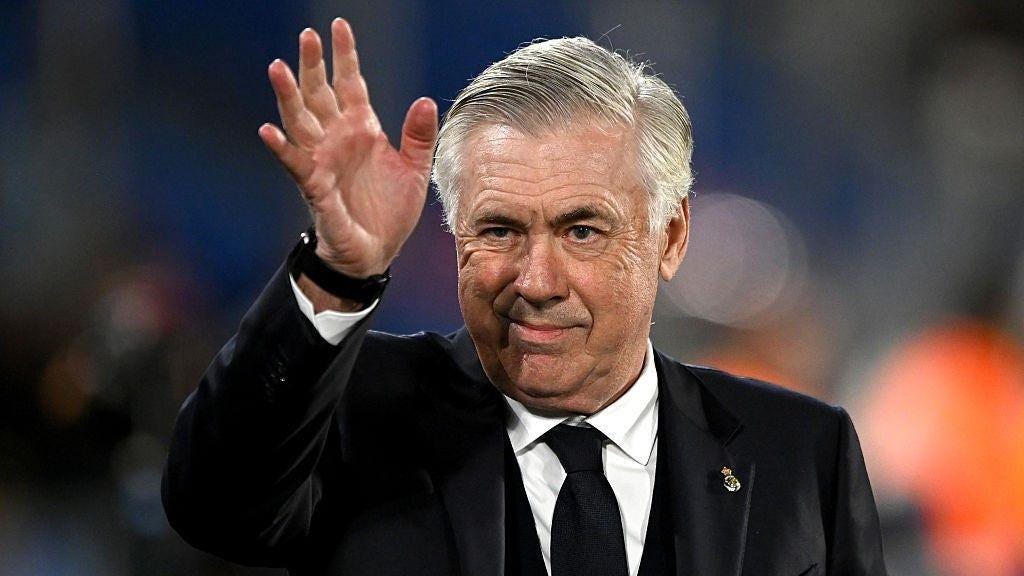
Experience can also carry credibility in the dressing room, especially at the top level. Players can often respond quickly to managers with proven track records or a similar standing in the game to themselves, particularly in the modern period, where leadership and authority are essential but often challenged. Probably the most on-the-nose example of this is the likes of Ancelotti or Zidane, managers and ex-players capable of dealing with the biggest egos and highest standards.
The Case For Continuity
Continuity offers something experience alone cannot always guarantee: an in-depth understanding of what’s gone before. Recently, we’ve seen some excellent examples of ‘unconventional appointments’ being promoted from within with great success, regardless of age or previous position.
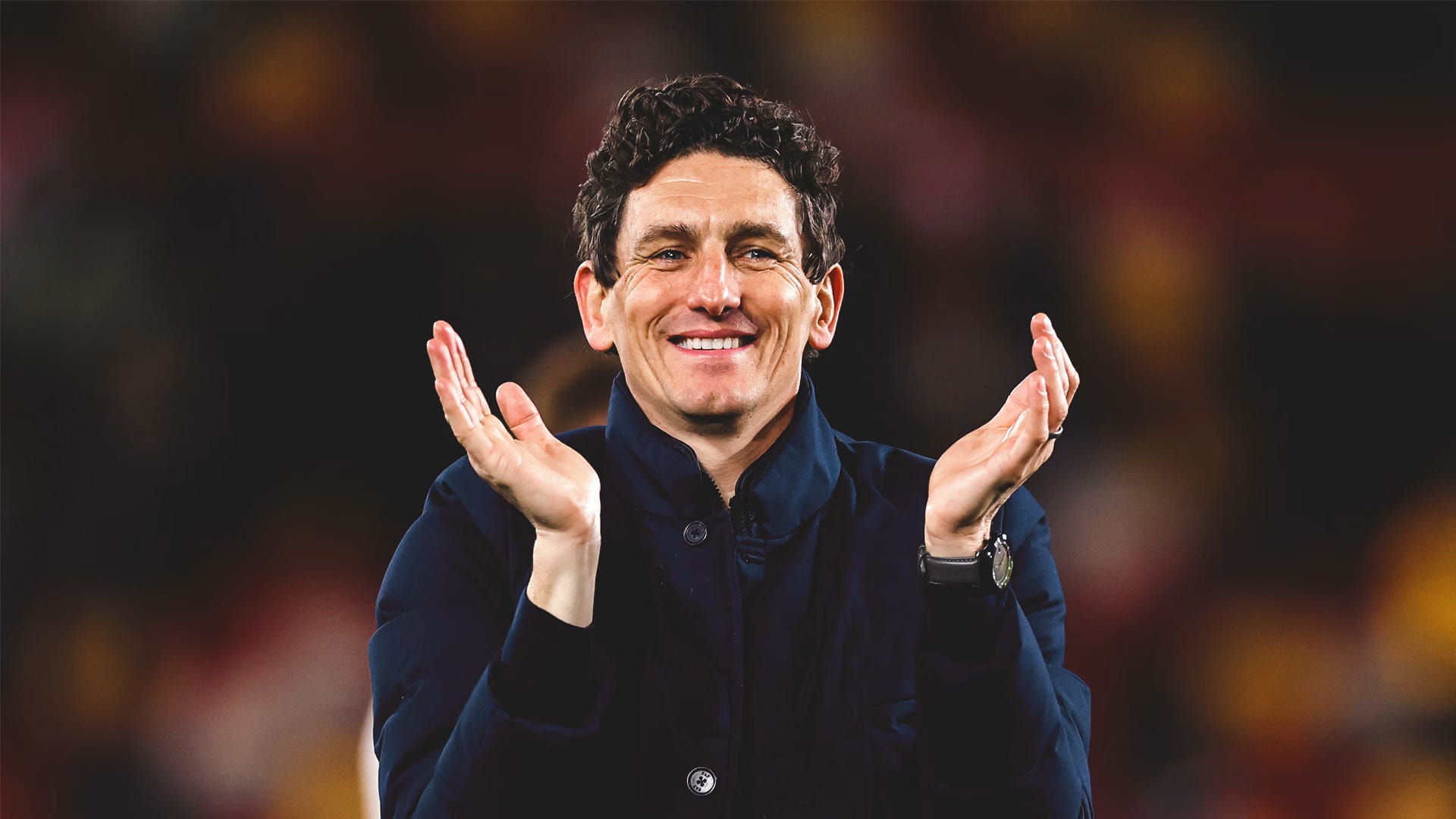
The biggest recent example of this is Keith Andrews taking over from Thomas Frank at Brentford. Brentford were many fans’ favourite pick to go down this season, but at the time of writing, they look likely to challenge for the final European spots.
Internal appointments already know the personalities within the dressing room, the expectations of supporters, and the practical realities of the club. Of course, it helps when the club is already being run well, with a clear framework and plan that has cohesion from top to bottom. Making it a lot easier to transition into the top job.
In Non-League football, the top and the bottom of a club are often far closer; managers often work with part-time players, limited recruitment budgets, volunteer staff, and a high turnover of pretty much everything. But like Brentford, when a club is on the up, with a clear plan that seems to be working, then a manager promoted from within does not need months to learn the environment. Nore is not much of a shock to fans; the relationships already exist. Communication is, in theory, clearer. It’s the same at the elite level as at the semi-professional level.
Disruption can be minimised, which is great, as in Non-League football, constant rebuilding is financially and emotionally draining for clubs. Frequent appointments from the outside often lead to wholesale squad changes, instability, and hard-working volunteers trying to build a reputation in-game being dropped. It, of course, isn’t always the case, but continuity provides a great chance of consistency.
The Best of Non-League Continuity
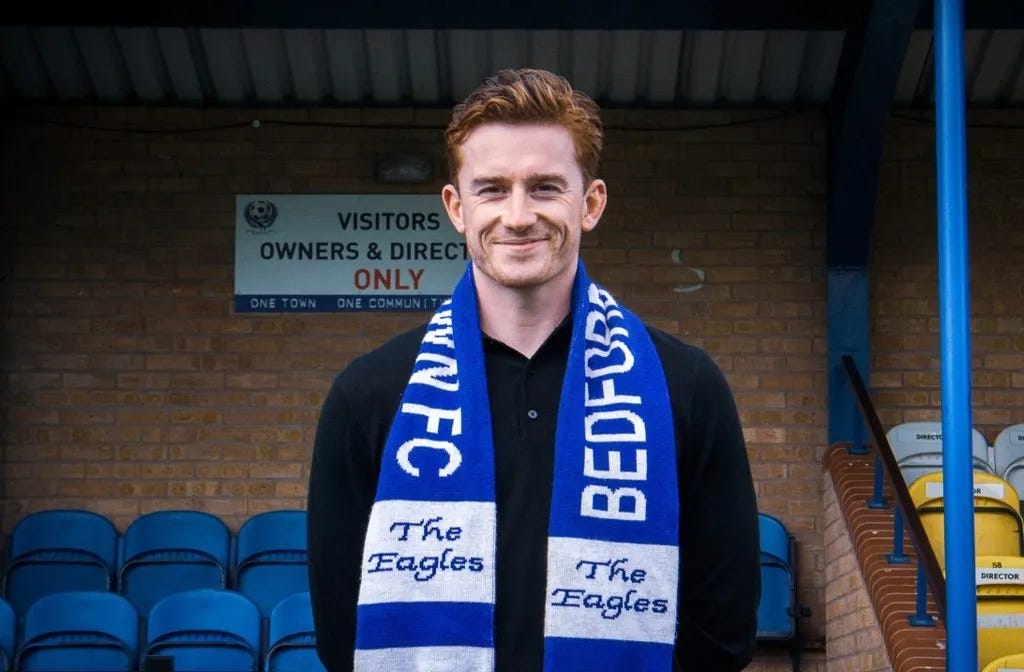
There are some excellent examples of Non-League clubs challenging the norm right now. National League South side Bedford Town. The side is entering a new era after one of the most successful spells in the club’s modern history.
They have recently appointed 28-year-old Harry Smart as their new manager. Smart is young and exciting. He holds a UEFA A Licence, but has no senior management experience. Despite this, the club went for continuity. promoting him internally from his assistant manager position to the top job. Publicly acknowledging the key role he had played in the success of Bedford Town staying in the National League North, and hoping he would continue the momentum and culture built over the last few years under the previous boss.
A tough ask, considering that the previous manager was Lee Bircham. Bircham had a remarkable three-year spell, from 2023 to 2026, and he oversaw back-to-back promotions, taking the side from Step 4 to Step 2. He surprisingly stepped down, having kept the side up, leading to Smart’s promotion.
Despite Smart’s age, this will be his eleventh season operating in football, and he’s already moved to bring in experienced hands around him whilst he gets to grips with the role. A clever and obvious move. His appointment may lack the glamour of a big-name signing for the level, but his understanding of the club’s philosophy, structure and long-term plans makes him a natural fit for the position. If he were 38, no one would bat an eye.
Another club I’ve spoken about before, that has heavily relied on continuity and recruiting from within, is Walton & Hersham. This has coincided with a hugely successful period. During their rise through the divisions, Scott Harris and Billy Rowley worked together as part of the management team that achieved three promotions in four seasons, reaching Southern League Premier Division South and Step 3 football.
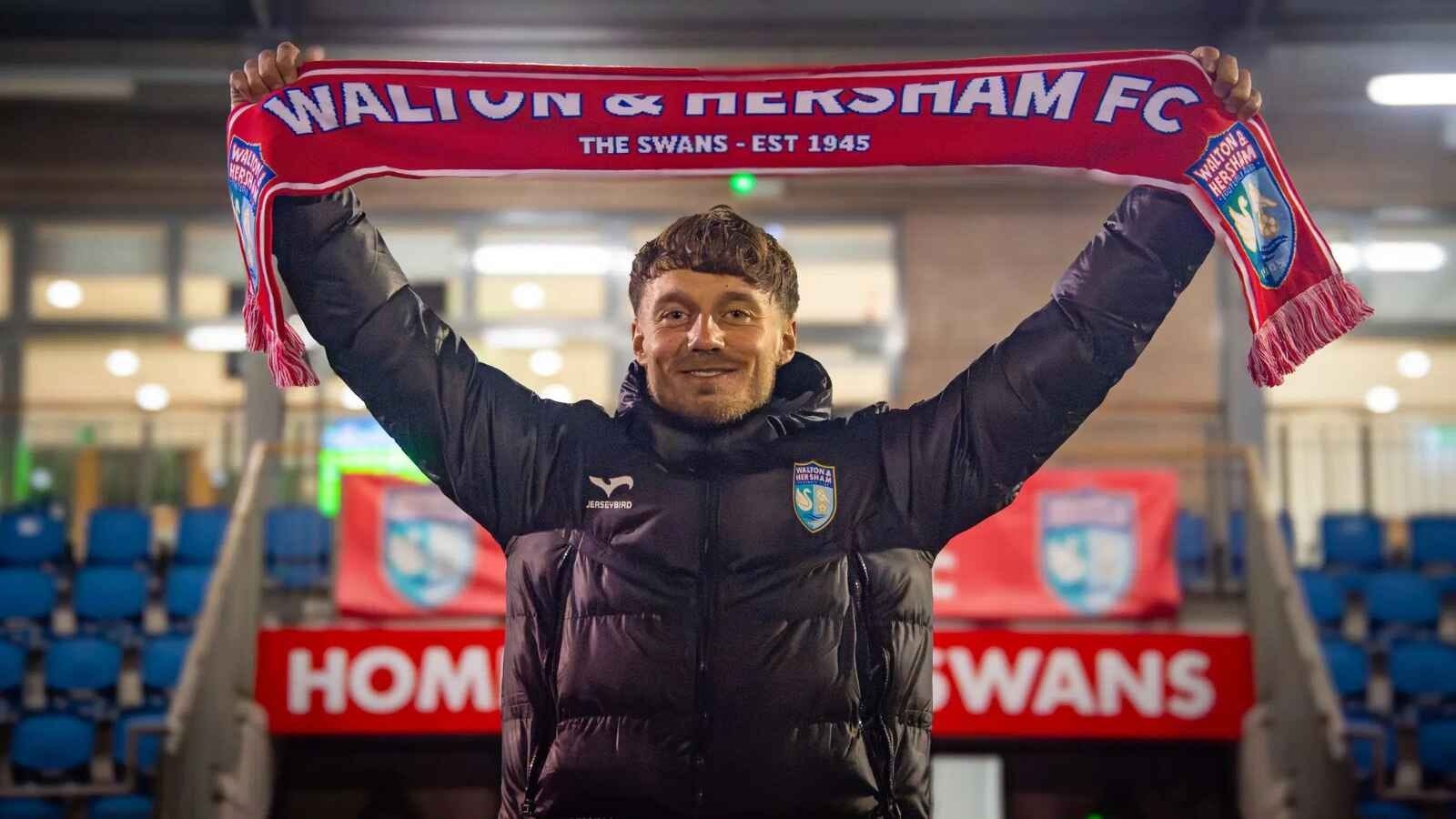
Harris’s departure in 2024 saw the side continue that continuity by promoting Rowley from within rather than appointing externally. Rowley led the side to the play-offs and then to the top of the league before being poached by National League side Yeovil Town. The club repeated the same approach following Rowley’s departure, promoting young 1st team coach Jakub Pietrzak from within the staff after an interim spell. Pietrzak built on the Rowleys’ foundations, and under his leadership, Walton & Hersham secured the Southern League Premier Division South title at a canter, promotion to National League South for the first time.
Pietrzak has since left the club, leaving the club managerless for the new season. Rowley has also come under fire, being the subject of a Walton club statement for allegedly looking to recruit his former stars. It may have turned sour in the end for the club’s continuity, but before this, they were one of the best advertisements for continuity outside of the EFL. The promotions, once again, speak for themselves.
The Risk
Continuity comes with risk and is not automatically the right answer. Like most things in football, circumstances are key, budgets rule and, like a player transfer, there is always a touch of luck involved. Internal appointments can sometimes preserve the same problems a club is trying to solve, but more often than not, managers are promoted due to the previous bosses being poached for success.
Familiarity may reduce motivation, and of course, there will always be an argument that some dressing rooms simply need that fresh voice. After all, the new manager bounce is a thing for a reason. But the mistake many clubs make is assuming external experience is transferable, or safer. Where in reality, it arguably carries more risk.
Conclusion
Experience will always matter in football management, but Non League clubs’ increasing confidence in handing the reins to hungry, younger individuals is an exciting development. One that I’d like to see continue.
Sometimes the best person to lead a club forward is not the biggest name available, or had the most decorated career, or even the most senior, but one who already understands what makes the club tick, or, where possible, part of previous success.
Smaller staff teams require greater trust and a stronger emphasis on personal relationships. At a level of football where margins are small and time spent with players is shorter, continuity may be the closest thing clubs have to a competitive advantage.
I know first hand just how hard manager recruitment in Non League is. Having a ready-made replacement in your midst is sound succession planning. Good luck to Harry, I wish him all the best.
Good luck Harry Smart.